Mahoning County Auditor’s Role in Local Government Funding,
 Posted On
The Mahoning County Auditor plays a vital role in local government funding by assessing property values, calculating tax rates, and fairly distributing revenue to schools, cities, and public services. This ensures financial transparency, public accountability, and stable funding for essential community services.
Understanding the Auditor’s Role in Funding Local Government
Understanding the Auditor’s Role in Funding Local Government means recognizing how the Mahoning County Auditor helps keep public finances running smoothly. By assessing property values, calculating tax rates, and distributing revenue to schools, municipalities, and public services, the Auditor ensures transparency, accountability, and stable funding for essential community operations across Mahoning County.
Why the County Auditor Is Involved in Local Government Funding
The County Auditor is involved in local government funding because the office manages property assessments, calculates tax rates, and oversees the distribution of tax revenue. In Mahoning County, this role ensures that schools, cities, and public services receive fair and accurate funding while maintaining transparency, accountability, and financial stability for the community.
Overall Purpose: The Mahoning County Auditor is involved to ensure that all local government funds are managed efficiently, lawfully, and responsibly.
Revenue Management: Local revenues, including property taxes and voter-approved levies within Mahoning County, are carefully monitored and administered.
Proper Allocation: Funds are accurately distributed to schools, road maintenance, public safety, and other essential county and municipal services.
Transparency and Accountability: Detailed public records and financial reports help maintain transparency and hold government entities accountable.
Impact on Residents: This oversight directly benefits Mahoning County residents by ensuring taxpayer dollars support community services and local development effectively.
Key Roles of the Mahoning County Auditor in Local Government Funding
- Oversees property assessments to ensure fair and accurate taxation across Mahoning County
- Calculates and certifies tax rates for schools, municipalities, and local government entities
- Manages and monitors the collection and distribution of local tax revenues
- Ensures funds are properly allocated to public services such as education, infrastructure, and public safety
- Maintains transparent financial records to promote accountability and public trust
Chief Fiscal Officer
The Mahoning County Auditor serves as the county’s Chief Fiscal Officer, responsible for overseeing financial records, monitoring revenues and expenditures, and ensuring public funds are managed accurately and transparently. This role helps maintain fiscal accountability and supports effective funding for local government services.
Chief Payroll Officer
In Mahoning County, the Auditor serves as the Chief Payroll Officer, overseeing payroll for county employees, ensuring accurate payments, proper tax withholdings, and compliance with all regulations to maintain financial accuracy and accountability.
Tax Distribution
The Mahoning County Auditor oversees the collection and distribution of local taxes, ensuring that revenue from property taxes, levies, and other sources is accurately allocated to schools, municipalities, townships, and public services. This process guarantees that community needs are funded fairly and transparently.
Bill Payments: Auditor’s Office
The Mahoning County Auditor’s Office manages the payment of county bills, ensuring all expenses for public services, infrastructure, and operations are processed accurately and on time. This role helps maintain financial accountability, prevents errors or delays, and ensures taxpayer funds are used responsibly.
Tax Rate Certification
The Mahoning County Auditor is responsible for certifying tax rates each year, ensuring that property taxes are calculated correctly for schools, municipalities, and local government entities. This process guarantees fair taxation, legal compliance, and proper funding for essential community services.
Financial Reports
The Mahoning County Auditor prepares and maintains detailed financial reports, providing a clear record of revenue, expenditures, and fund allocations. These reports promote transparency, support public accountability, and help residents and officials track how taxpayer dollars are used throughout the county.
Grant Funds and Financial Assistance
The Mahoning County Auditor helps manage grant funds and other financial assistance programs, ensuring that state and federal funds are received, tracked, and distributed properly. This oversight supports local projects, public services, and community development while maintaining transparency and accountability in the use of external funding.
Budget Commission / Levy Review
The Mahoning County Auditor participates in the county Budget Commission, reviewing and approving budgets, tax levies, and funding requests from schools and local governments. This role ensures that proposed levies are fair, legally compliant, and aligned with the county’s financial capacity, supporting responsible budgeting and stable funding for essential community services.
How the Auditor’s Work Funds Local Government Services
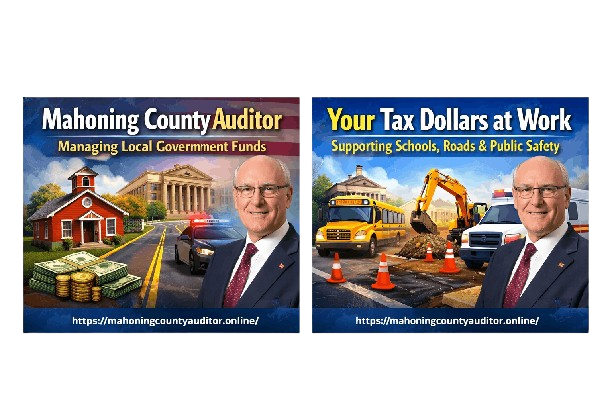
The Mahoning County Auditor funds local services by assessing property values, calculating taxes, and distributing revenue to schools, municipalities, and public programs, ensuring transparency and effective use of taxpayer dollars.
Funding Schools, Roads, and Public Safety
The Mahoning County Auditor allocates tax revenue to support local schools, maintain roads, and fund public safety services. This ensures essential community services are well-funded, efficiently managed, and accountable to residents.
Example Table – Major Funding Allocation:
| Service Category | Funding Source | Purpose / Use |
|---|---|---|
| Schools | Property Taxes, Local Levies | Teacher salaries, classroom resources, educational programs |
| Roads / Infrastructure | Gas Taxes, Levies | Road maintenance, repairs, and infrastructure upgrades |
| Public Safety | Levies, General Revenue | Police, fire, and emergency services |
Supporting Libraries and Other County Services
The Mahoning County Auditor helps fund local libraries and other county services by allocating tax revenue and managing grants. This ensures community programs, educational resources, and essential public services remain accessible, well-supported, and accountable to residents.
Example Table – Library & Community Funding:
| Service Type | Funding Source | Auditor Role |
|---|---|---|
| Public Libraries | Property Taxes, Grants | Ensure funds are properly used for maintenance and library programs |
| Community Centers | Local Levies, Donations | Monitor allocation and support project continuity |
| Cultural Programs | Grants, County Funds | Track spending and evaluate program effectiveness |
How Property Taxes and Levies Impact Residents
In Mahoning County, property taxes and levies directly fund local schools, roads, public safety, and community services. The Auditor ensures these funds are collected and distributed accurately, so residents benefit from well-maintained infrastructure, quality education, and essential public programs, making taxpayer contributions meaningful and accountable.
Understanding Tax Calculation and Distribution
The Mahoning County Auditor calculates property taxes based on assessed values and certifies rates for schools, municipalities, and public services. Collected taxes are then distributed fairly to fund essential local services, ensuring transparency, accountability, and proper use of taxpayer dollars.
Example Table – Tax Distribution by Sector:
| Tax Type | Allocation Percentage | Beneficiaries |
|---|---|---|
| Property Tax | 50% | Schools, educational programs |
| Levies | 30% | Roads, infrastructure maintenance |
| Special District Taxes | 20% | Public safety, libraries, community centers |
How Levies Are Used to Support Local Projects
In Mahoning County, levies provide dedicated funding for community projects such as road repairs, school improvements, and public safety programs. The Auditor ensures these funds are collected, allocated, and monitored properly, helping residents see tangible benefits from their contributions.
Example Table – Levy Allocation for Local Projects:
| Project Type | Funding Source | Purpose |
|---|---|---|
| Road Construction | Local Levies | Build new roads, paving, and safety upgrades |
| Park & Recreation | Levies / Grants | Maintain parks, trails, and recreational areas |
| Emergency Services | Levies | Support fire stations, police equipment, and ambulances |
Transparency and Accountability in County Funding
The Mahoning County Auditor ensures tax dollars are tracked and spent responsibly, providing clear records and reports so residents can see how funds support schools, roads, public safety, and community projects.
How Financial Reporting Keeps the Public Informed
The Mahoning County Auditor provides regular financial reports that show how tax revenues are collected and spent. This transparency keeps residents informed about funding for schools, roads, public safety, and community services, ensuring accountability and trust in local government.
Ensuring Funds Are Used Correctly
The Mahoning County Auditor monitors and reviews all county expenditures to ensure tax dollars are spent appropriately. This oversight guarantees that funding for schools, roads, public safety, and community programs is used effectively and responsibly.
Conclusion
The Mahoning County Auditor plays a vital role in ensuring local government funds are assessed, collected, and distributed accurately. Through careful management, transparency, and accountability, the Auditor supports schools, roads, public safety, and community services, making sure taxpayer dollars are used effectively to benefit all residents.
FAQs
Q1: What does the Mahoning County Auditor do?
The Auditor oversees property assessments, calculates taxes, distributes revenue, and maintains financial records for schools, municipalities, and public services.
Q2: How are property taxes and levies used?
They fund essential services such as education, road maintenance, public safety, libraries, and community programs.
Q3: How does the Auditor ensure transparency?
Through detailed financial reports, public records, and regular monitoring of revenue and expenditures.
Q4: Can residents access financial reports?
Yes, the Mahoning County Auditor provides public access to financial reports so residents can track how funds are used.
Q5: How are special projects funded?
Projects like road construction, parks, and emergency services are funded through local levies, grants, and allocated tax revenue under the Auditor’s oversight.